Platform
Reliable connections
How can interruptions and disconnections be documented, investigated, and reduced? What information helps distinguish a platform issue from other causes?
Focus areas
These are the service-quality questions this advocacy project aims to examine. They are areas for inquiry, not findings against a provider.

Draft proposal for discussion, not an available service or an approved regulatory requirement.
Platform
How can interruptions and disconnections be documented, investigated, and reduced? What information helps distinguish a platform issue from other causes?
Handoffs
How can calls remain connected during breaks, shift changes, and other handoffs? Technical reliability and interpreter-quality concerns need distinct review paths.
Video mail
How can video-mail quality be assessed consistently? Reports of blur or pixelation need supporting examples before their technical cause is identified.
Complaints
How can users see that a report was received, where it was routed, its current status, and what was done? This includes questions about the 9050 support structure.
Provider accountability
What evidence should be used to review platform and vendor performance, corrective action, and potential alternatives?
Quality of service
What useful measures can show whether service is improving? Proposed metrics must be distinguished from measured results and existing requirements.
CDTA is comparing established VRS platforms and the features they provide outside Canada.
This section is intended for community education, feature comparison, and voluntary platform preference feedback. It is NOT an official CRTC or CAV procurement vote.
CDTA is not selecting a provider. Which platforms and features should Canada evaluate?
Provider information checked: . Features are provider claims, not independently tested performance. Availability abroad does not establish Canadian availability, ASL/LSQ suitability, number portability or procurement eligibility. Images belong to their providers; no endorsement is implied.
Current Canada VRS technology platform
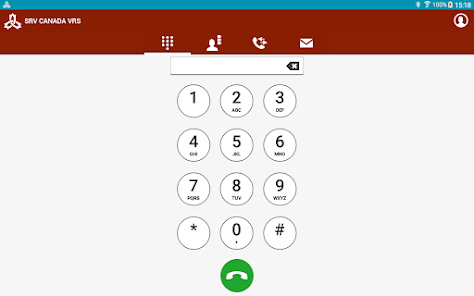
Public app ratings and source dates
Public iOS reviews include appreciation of the app’s accessibility as well as concerns about video freezing, dropped calls, incoming-call notifications, crashes, mobile-data access and application stability. These are voluntary individual experiences, not a representative survey of all Canada VRS users. Apple’s version history separately documents fixes for crashes, call connectivity, incoming calls, video quality and application stability. A documented fix does not establish how many users were affected or whether every issue was resolved.
A neutral baseline, not labelled inferior. Evaluate current and proposed systems using the same evidence, Canadian accessibility needs and measurable standards. CAV’s 2016 report documents the selection of IVèS; reconfirm vendor arrangements before any procurement comparison.
Sources checked:
Established international VRS platform
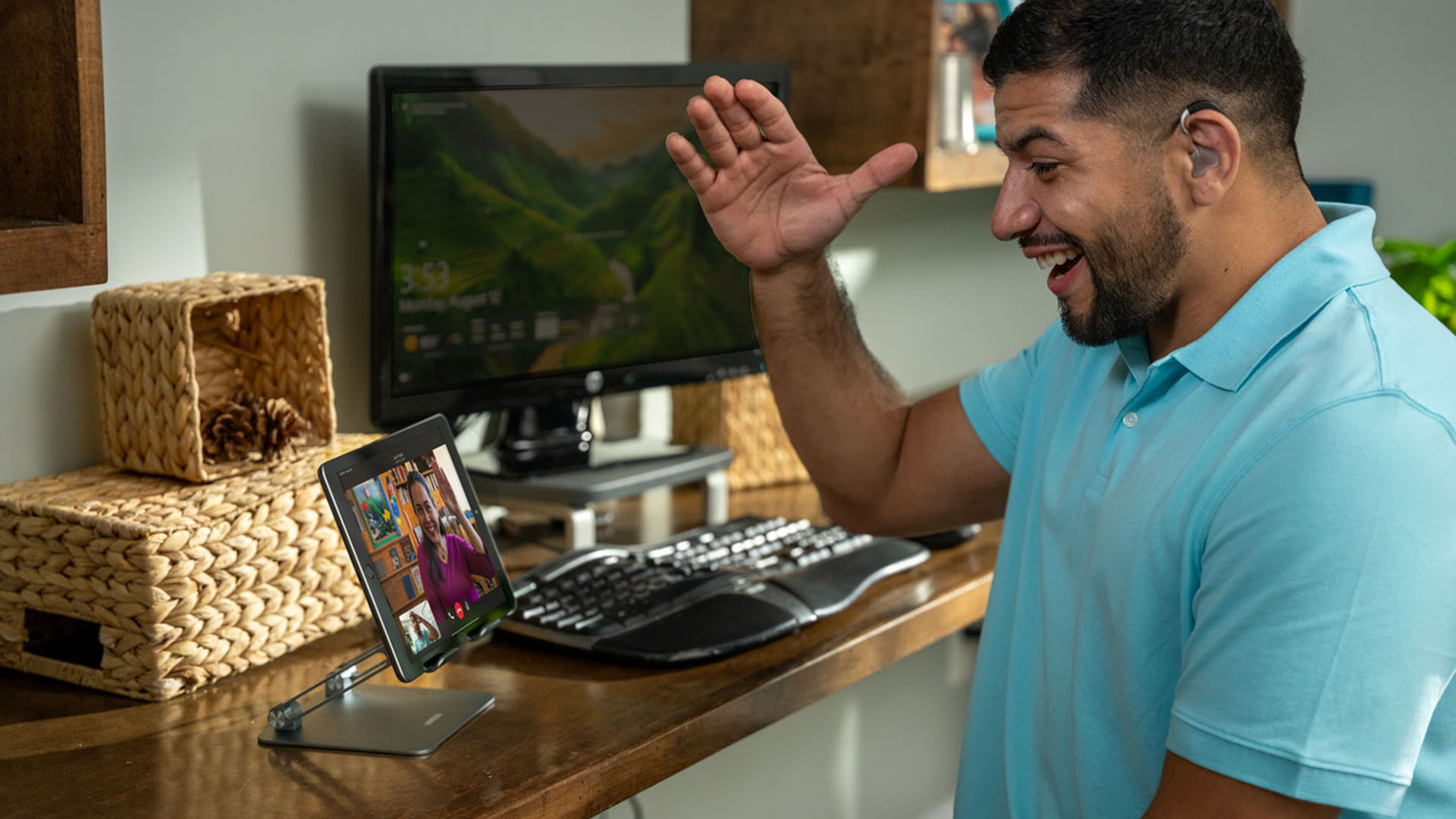
Public app ratings and source dates
Features vary by device and service. In-call text sharing does not establish general SMS support. US emergency-service information is not a promise of Canadian 911 availability.
Sources checked:
United Kingdom — established BSL / ISL service

SignVideo was established in the UK before joining Sorenson in 2020 and now operates as SignVideo by Sorenson. CDTA views this as an example of Sorenson’s organization supporting another country, sign-language communities and public-service requirements—not proof of readiness for a Canadian contract or an identical technology stack to ntouch.
Public app ratings and source dates
Public app ratings and selected reviews show generally positive feedback, with some mixed reviews. For example, a UK iOS review praises the service and community support while also raising interface concerns; other reviews describe technical problems and directory limitations. App-store ratings reflect voluntary reviewers and are not representative of every SignVideo user. Selected feedback is not a measured call-answering or interpreter-quality result.
SignVideo and Sorenson ntouch remain separate survey options. Availability, language coverage and funding depend on the particular service and country. Neither is ranked as objectively best.
Sources checked:
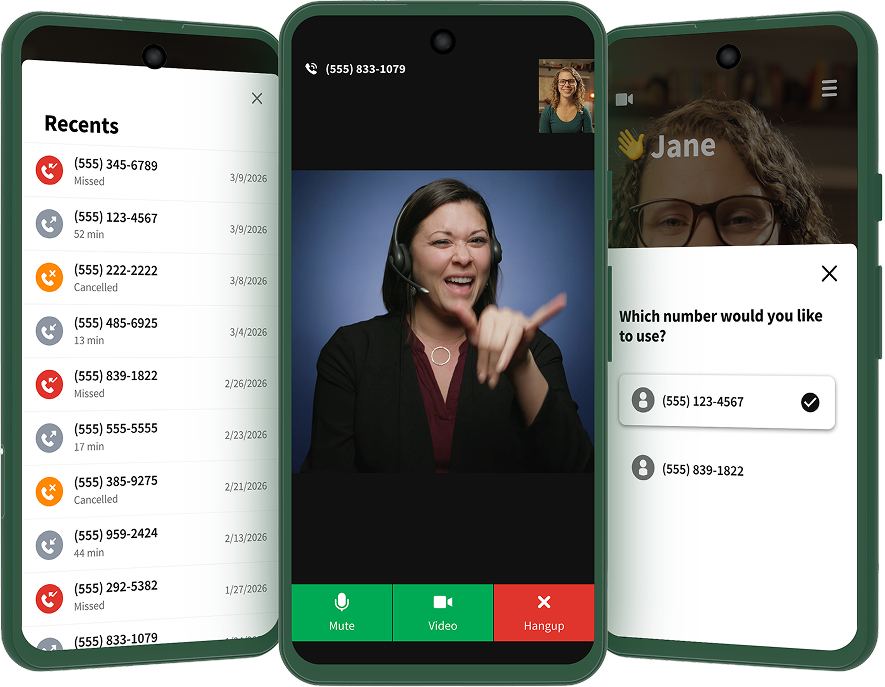
Public app ratings and source dates
Convo’s current product page says Convo Call replaces Convo VRS / Convo Link. Older app feature lists must not be treated as confirmed for the new app. Availability depends on country, service and device.
Sources checked:
Public app ratings and source dates
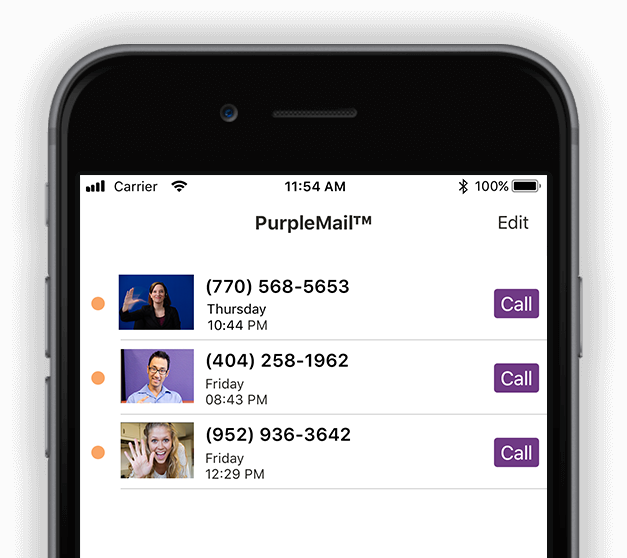
Provider-published features, not a CDTA performance ranking. Confirm device requirements and service eligibility. The Purple site now also directs visitors to ZP Better Together.
Sources checked:
App-store snapshots, not CDTA survey results. “Currently” refers to the date checked, not an automatically refreshed score.
App-store ratings can change over time and may differ by platform, device, country storefront, review count, and review period.
Different review counts, platforms, countries, app-store storefronts, and user populations mean these ratings should not be treated as a controlled head-to-head study. App-store ratings are public feedback indicators only.
PREVIEW — NOT SUBMITTING DATA. Both questions are optional. Choices are saved only in this browser tab, separately from your petition answers. A browser may restore this tab later. Clear this draft on a shared device. Nothing here is counted in public results.
Last updated: Not available yet
No approved aggregate data source is connected. Counts and percentages are unavailable, not zero.
Undecided combines “No preference” and “Need more information”. Unanswered questions are excluded, not counted as undecided.
Device support counts respondents who selected any of Windows, Mac, iOS or Android, once each. It must be calculated from individual responses on the server, not by adding the four totals. Reliability here means the “Better platform reliability” choice; fewer dropped calls is reported separately below.
A respondent may select multiple features, so feature percentages do not need to total 100%. Each respondent is counted once per selected feature.
Only valid, deduplicated responses with permission for public aggregation will be included. Pending, duplicate, excluded and test records are not counted. No names, contact information or individual responses appear here. Small or sensitive groups must be withheld after privacy review.